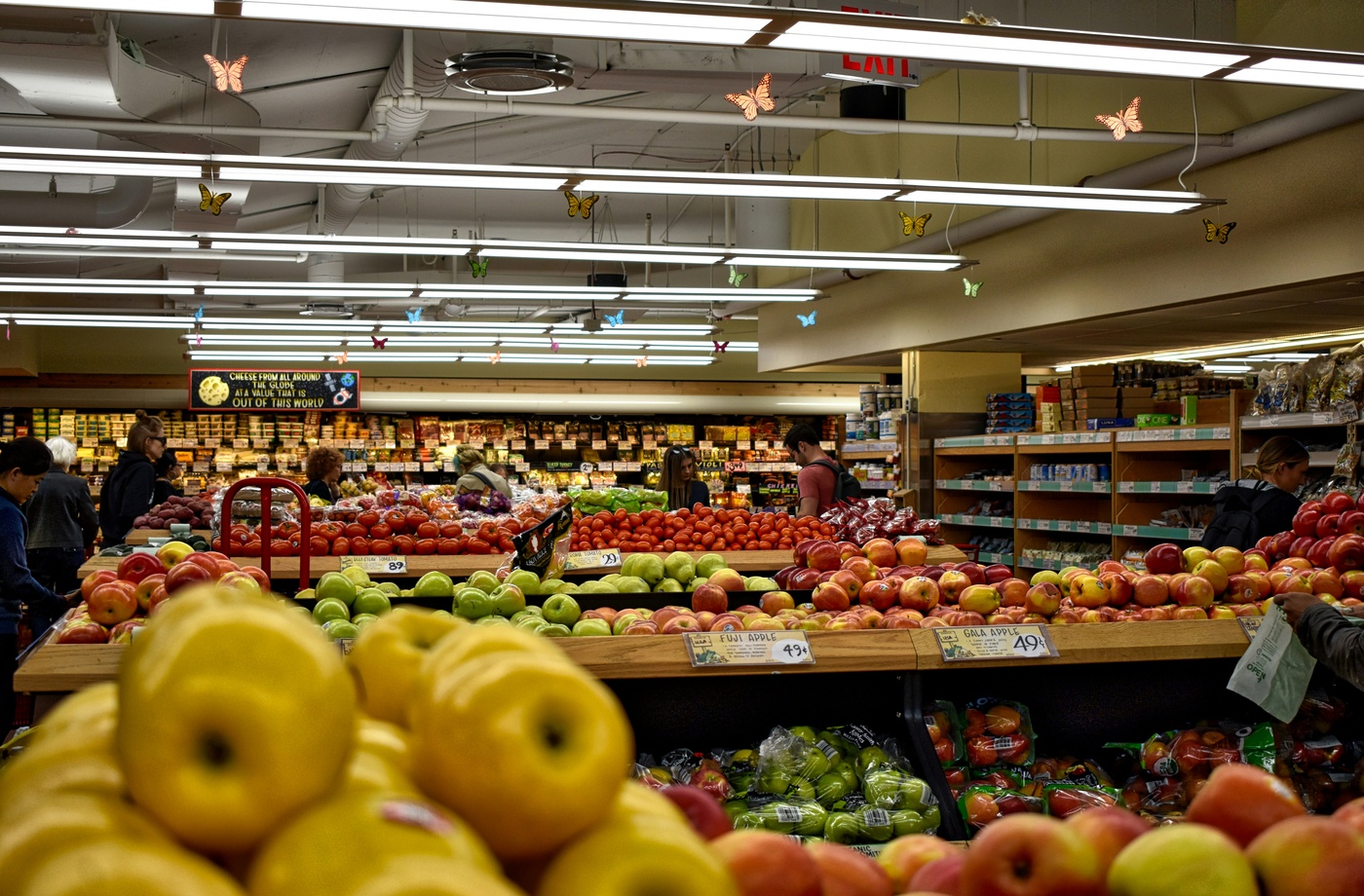

Feeding a family of four without overspending takes planning, but it doesn’t have to be complicated. With the right strategies, you can serve healthy, filling meals all week long—without stretching your grocery budget. The key lies in choosing versatile ingredients, reducing food waste, and creating a plan that aligns with weekly sales and what’s already in your pantry.
Here’s how to build a meal plan that keeps your family full and your grocery costs low.
- Start with a Weekly Meal Plan Template
Before you head to the store, map out your meals for the week. This should include breakfast, lunch, dinner, and snacks if needed. Use free resources like Plan to Eat, Mealime, or printable planners from Budget Bytes to streamline the process.
Keep it flexible: 3–4 core dinner recipes, a few repeatable lunches, and a rotation of easy breakfasts is usually enough to keep everyone satisfied without overbuying.
- Build Around Affordable Staples
Focus on inexpensive, filling foods that offer nutrition and versatility. Good core ingredients for a family of four include:
- Rice, pasta, and potatoes
- Beans (canned or dried)
- Eggs and peanut butter
- Canned tuna or chicken
- Frozen vegetables
- Seasonal produce
These ingredients can be used across multiple meals—think rice bowls, soups, casseroles, or stir-fries.
- Use a “Leftovers Day” to Eliminate Waste
Designate one night each week to use up remaining ingredients or reheated portions. This keeps your fridge clear and helps avoid tossing unused food. Turn leftover chicken into quesadillas or make a veggie-packed fried rice with odds and ends. - Shop the Weekly Ad Before You Plan Meals
Instead of creating a menu first, browse your local grocery store’s weekly ad to identify sales. Use these deals to shape your meal plan. Check digital ads from stores like Kroger, Publix, and Safeway.
Planning your meals around sale proteins and produce can shave 20–30% off your grocery bill.
- Batch Cook Where It Makes Sense
Cooking larger portions and repurposing leftovers saves time and money. For example, a batch of ground turkey can be used in tacos one night, spaghetti sauce the next, and wraps for lunch. Slow cookers and sheet pan meals are also great for low-effort, high-yield meals. - Rotate Budget-Friendly Recipes
Some meals are reliable, affordable, and family-approved. Build your rotation with meals like:
- Baked ziti
- Stir-fry with rice and frozen vegetables
- Breakfast-for-dinner (pancakes, eggs, fruit)
- Soup and grilled cheese
- Tacos or burrito bowls
- Slow cooker chili
Once you have 8–10 of these meals, mix and match them throughout the month to simplify shopping and reduce decision fatigue.
- Incorporate Snacks Strategically
Families often overspend on snacks. Include affordable options like popcorn, hard-boiled eggs, fruit, or homemade muffins on your grocery list. Buying in bulk or preparing snacks at home helps reduce impulse snack spending. - Freeze What You Don’t Use Right Away
If you buy large packs of meat or find a great produce deal, freeze what you can’t use within the week. Portion out meats, chop vegetables for soups or stews, and label everything clearly. This builds a “freezer stash” that supports future meal plans and reduces waste.
Final Thoughts
Meal planning for a family of four doesn’t have to mean rigid schedules or repetitive meals. By focusing on sales, rotating proven recipes, and using flexible staples, you can build a week’s worth of nourishing meals without overspending. It’s about planning with intention—and cooking with what you already have.