
Eating well doesn’t have to mean spending a fortune. With the right strategy, you can stock your kitchen with nutritious ingredients without overshooting your budget. Building a cheap but healthy grocery list starts with smart planning, knowing what to prioritize, and understanding which foods offer the most nutritional value per dollar.
Here’s how to create a balanced, affordable grocery list that supports both your health and your wallet.
- Prioritize Whole Foods Over Processed Items
Whole foods like oats, rice, beans, and eggs are typically cheaper than their processed counterparts—and far more versatile. For example, a bag of dried black beans costs a fraction of what you’d spend on canned soups or frozen entrees, while offering fiber, protein, and complex carbs.
Base your list on foundational whole foods like:
- Brown rice or quinoa
- Dried or canned beans
- Old-fashioned oats
- Whole grain pasta
- Eggs
- Potatoes (white or sweet)
- Buy Seasonal Produce
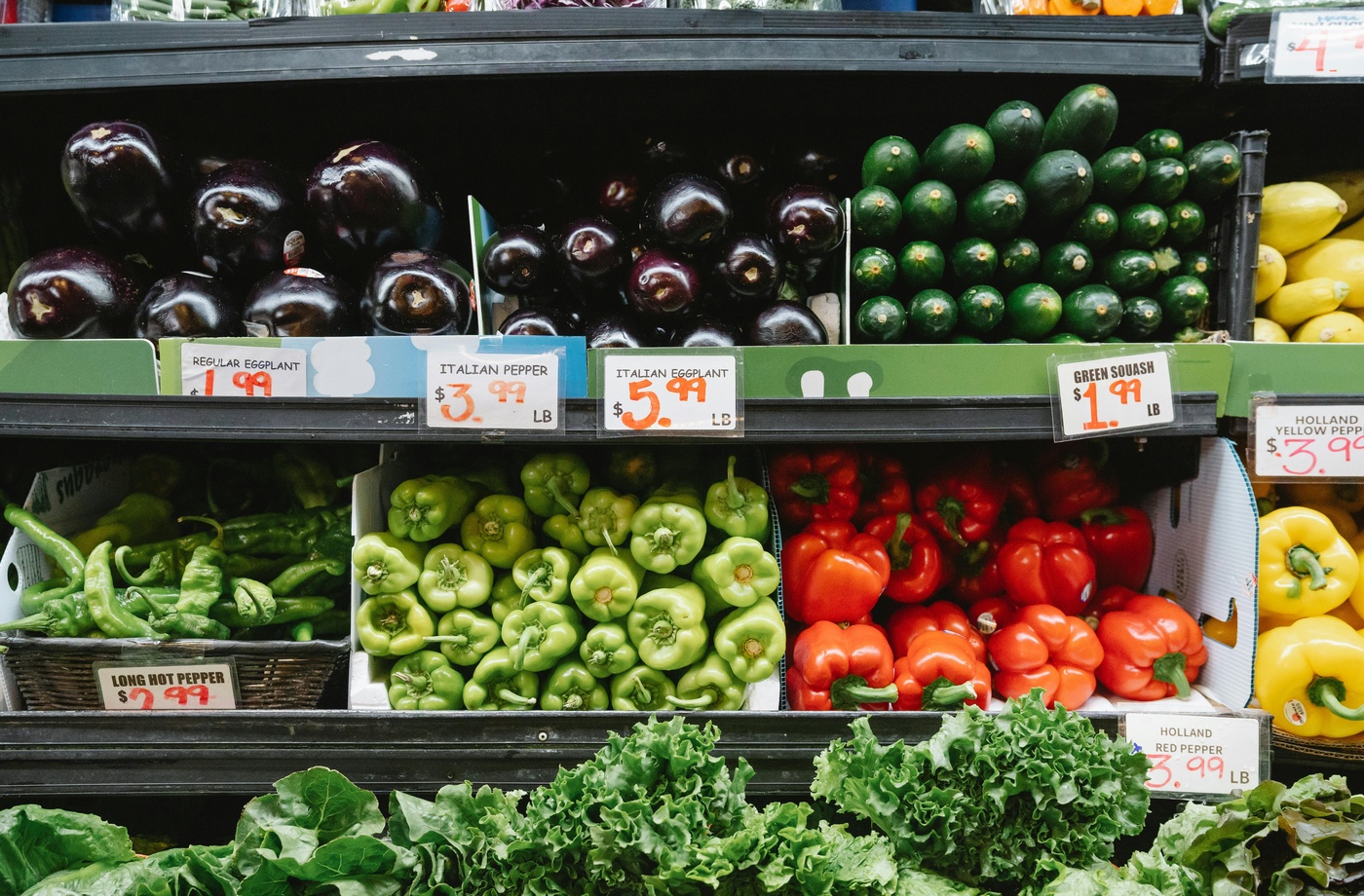
Fruits and vegetables are cheaper and more flavorful when bought in season. For example, buy berries and zucchini in the summer, apples and squash in the fall. Use the USDA Seasonal Produce Guide to plan your purchases around peak harvests. Frozen vegetables are also a great year-round alternative—just as nutritious and often less expensive. - Stick to Affordable Proteins
Protein is essential, but it doesn’t have to come from steak or salmon. Affordable options include:
- Canned tuna or salmon
- Eggs
- Dried lentils
- Tofu
- Chicken thighs or drumsticks (often cheaper than breasts)
- Peanut butter
Buy in bulk when on sale, and freeze extra portions to avoid waste.
- Shop Store Brands and Compare Unit Prices
Generic or store-brand products are often identical in quality to name brands at a lower price. Check the unit price (price per ounce or pound) on the shelf label to ensure you’re truly getting the best deal. - Limit “Convenience” Items
Pre-cut fruit, bagged salads, and instant meals may save time, but they come with a markup. Choose whole produce and do the slicing at home. Similarly, skip flavored oatmeal packets and buy plain oats in bulk—you can customize them at home with fruit and spices. - Plan Ahead and Shop With a List
Meal planning helps reduce impulse buys and cuts down on food waste. Use apps like Budget Bytes or Mealime to build a weekly menu and generate a grocery list around it. Sticking to the list helps you avoid adding unnecessary (and expensive) items to your cart. - Buy Pantry Staples in Bulk When Possible
Staples like rice, pasta, flour, and beans are ideal for bulk purchases. Stores like Costco, Sam’s Club, and BJ’s Wholesale Club often offer better per-unit pricing. Some grocery stores also offer bulk bins where you can buy exact quantities of staples without paying for extra packaging. - Limit Sugary Snacks and Sugary Drinks
These are some of the priciest items per calorie and often the least nutritious. If you’re budgeting, it’s better to skip soda, cookies, and chips in favor of low-cost snack options like air-popped popcorn, homemade trail mix, or fruit. - Use Frozen and Canned Goods to Fill in Gaps
Canned tomatoes, beans, corn, and frozen vegetables are inexpensive, shelf-stable, and incredibly useful for quick, healthy meals. Look for low-sodium or no-salt-added varieties when possible. - Avoid the Middle Aisles—Most of the Time
As a general rule, the healthiest and most affordable items are found around the perimeter of the store: produce, dairy, eggs, and meat. That said, the center aisles are great for dry staples, just be selective and avoid overpriced processed snacks and ready-made meals.
Final Thoughts
A healthy grocery list doesn’t have to be expensive or complicated. By focusing on whole foods, seasonal produce, and budget-friendly proteins, you can build a weekly menu that’s both nutritious and affordable. Smart shopping habits and a bit of planning go a long way in helping you stay on track—financially and nutritionally.