Buying in bulk can be a smart way to save on groceries, but only if you know what items offer real value. While some products become significantly cheaper per unit when purchased in larger quantities, others may expire, go stale, or simply waste space in your pantry. To help you avoid costly mistakes, here’s a breakdown of which grocery items are worth buying in bulk—and which ones are better left on the regular shelf.
Best Grocery Items to Buy in Bulk
- Rice, Pasta, and Grains
These dry goods have long shelf lives and are pantry staples. Buying rice, oats, quinoa, or pasta in bulk can cut your cost per pound significantly. Store them in airtight containers to maintain freshness. - Dried Beans and Lentils
Unlike canned versions, dried beans take up less space, last for years, and are far cheaper in bulk. Cook in large batches and freeze for future meals. - Baking Essentials
Flour, sugar, baking soda, salt, and yeast can often be purchased in larger quantities at a discount. Just make sure you have the storage to keep them dry and sealed. - Frozen Fruits and Vegetables
These won’t spoil quickly and are easy to portion out for smoothies, soups, or sides. Frozen bulk items are often cheaper than fresh and equally nutritious. - Meat (If You Freeze It Right)
Buying chicken, ground beef, or pork in large packs and freezing portions can lead to noticeable savings. Use vacuum-sealing or freezer-safe bags to avoid freezer burn. - Toilet Paper, Paper Towels, and Cleaning Supplies
Not food, but essential for every household—and worth buying in bulk when prices are favorable. - Shelf-Stable Snacks and Cereal
Granola bars, crackers, and cereals often come in bulk boxes or club packs. As long as your household consumes them regularly, you’ll save both money and time on restocking.
When Buying in Bulk Might Not Be Worth It
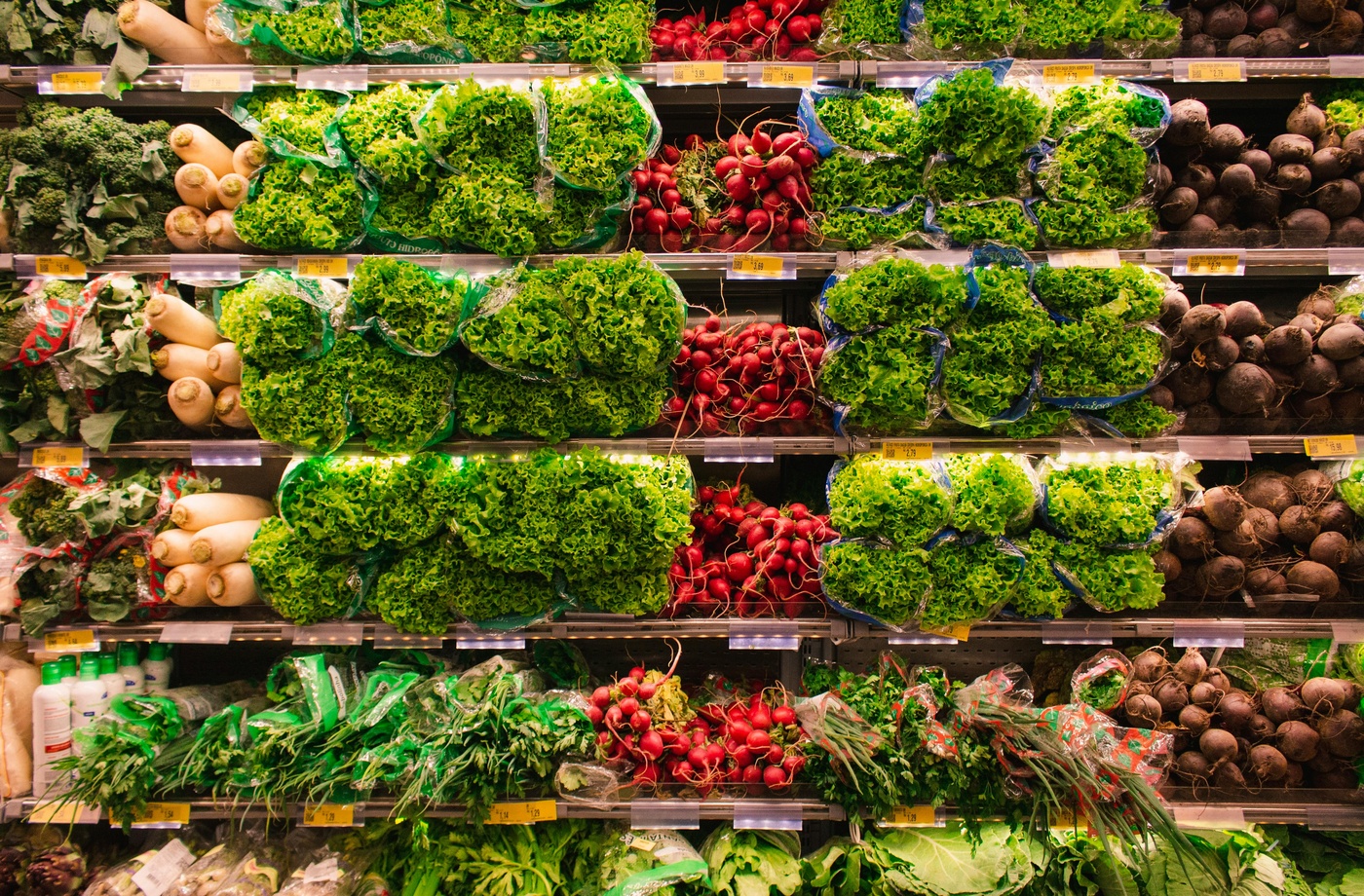
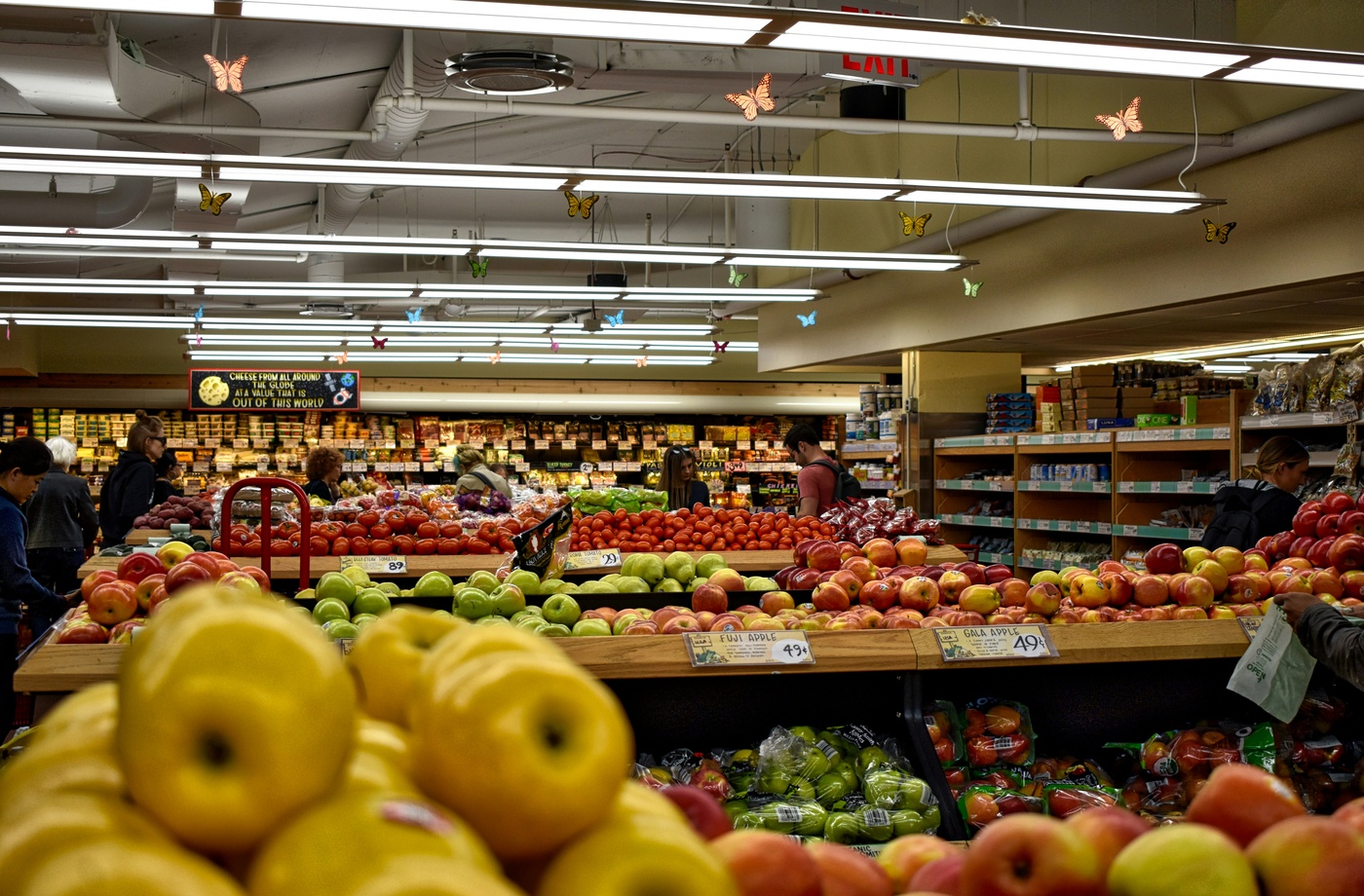
- Fresh Produce
Unless you’re cooking for a crowd or can freeze it, most fresh fruits and vegetables will spoil before you finish them. Only buy in bulk if you know you’ll use it all. - Dairy and Eggs
These products have short expiration windows. Bulk milk and eggs might be cheaper per unit, but if you don’t consume them quickly, the savings disappear. - Spices and Seasonings
Spices lose potency over time. Unless you use a particular spice frequently, buying a large container may result in flavor loss before it’s gone. - Specialty Condiments
Big bottles of hot sauce, salad dressing, or mustard might seem like a good idea—but if you only use them occasionally, they’ll go bad before you reach the bottom. - Canned Goods with Unfamiliar Labels
Buying bulk cans of soup or beans from unfamiliar brands might not save money if no one in your household ends up liking them. Taste test before you commit.
Where to Shop for Bulk Groceries
Stores like Costco, Sam’s Club, and BJ’s Wholesale Club specialize in bulk pricing. You can also earn cashback with a BJ’s Wholesale Club gift card by purchasing through Fluz, giving you an additional savings layer when shopping big.
Even retailers like Walmart and Kroger offer family-size or multi-pack options that you can combine with gift card rewards to maximize value without a membership.
Final Thoughts
Bulk buying works best when you focus on items your household uses regularly and can store properly. Combine smart planning with loyalty perks, digital coupons, and earning cashback with a BJ’s gift card or Walmart gift card to get even more value out of your grocery strategy.